


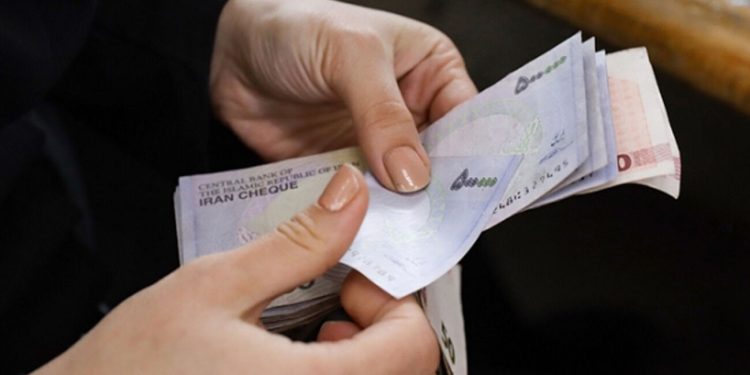

Iranian Economy: Read the details of the subsidy plan of 7 million tomans to every Iranian in this report.
For years, the country’s subsidy structure has been involved in the challenge of energy price stabilization, budget deficit, fuel smuggling, and wide-ranging discussions about the fair redistribution of wealth. While the current subsidy system with fixed figures of 300,000 and 400,000 tomans does not respond to the inflationary wave, new structural plans to change the energy economy have once again been placed on the government’s decision-makers’ table.
In this regard, a plan based on the complete liberalization of the rates of energy carriers and the direct deposit of the resulting resources into people’s accounts has been proposed, which can increase the amount of cash subsidy for each person up to 7 million Tomans per month; This figure, compared to the population statistics and the current situation of 73.4 million subsidy recipients in the country, opens up new dimensions of the subsidy economy to the experts.
The promise of a cash subsidy of 7 million tomans; The government’s scenario for reforming energy prices
Referring to the pricing of energy carriers and the necessity of reforming the subsidy system, Mohammad Jaafar Ghaempanah, the executive vice president, stated: “If the price of gas, electricity, gasoline and diesel is determined based on the price of the cheapest neighboring country, with their export, about 720 thousand billion tomans (720 hemat) will be generated annually from subsidies.”
Citing an example of the difference in fuel prices in the region, the Deputy Medical Officer explained: “For example, if the price of a liter of gasoline in Bahrain is 80 Tomans, and gasoline is sold in Iran at the same price, and diesel is sold according to the cheapest price in the neighboring country, in total, a figure equal to 720 Hamats of annual income will be realized.”
Qaim Panah further pointed to the elimination of the heavy expenses of the current bureaucracy and said: “In such a situation, extensive administrative organizations, fuel cards, home meters and the multitude of court cases related to the current system of subsidies will be eliminated.”
According to the Executive Deputy of the President: “If the income of 720 hemmati resulting from this liberalization is distributed among all Iranians, the share of each Iranian will be approximately 7 million Tomans per month, and in this way, a family of four will receive about 28 million Tomans in cash subsidies per month.”
Statistical reality check: 73.4 million people in line for cash subsidy
The realization of these redistribution scenarios should be measured in the mirror of current population statistics and deciles. According to the latest official estimates of the Statistics Center, the country’s population is currently 87 million 73 thousand 554 people. Of these:
- 73 million 437 thousand 712 people are eligible to receive cash subsidy.
- 13 million 635 thousand 842 people (about 9 million people after the implementation of the budget assignments of the 8th to 10th deciles) have been removed from the list of subsidy recipients.

Details of subsidized taxing in August
The statistics published by the Subsidy Targeting Organization indicate the following breakdown among the beneficiaries:
First to third deciles (low income): 28 million 213 thousand 143 people (10 million 386 thousand 299 heads of households).
- Paid amount: 400 thousand Tomans per person (total of 112 thousand 852 billion Rials in August).
Fourth to ninth deciles (average): 45 million 224 thousand 569 people (15 million 670 thousand 998 heads of households).
- Amount paid: 300 thousand Tomans per person (total of 135 thousand and 103 billion Rials in August).
Comparative table of demographic changes in deciles (May to August)
| The population of deciles 1 to 3 | ۲۷،۹۱۷،۲۶۹ | ۲۸،۱۶۸،۹۱۹ | ۲۸،۱۶۵،۷۸۷ | ۲۸،۲۱۳،۱۴۳ | 47,356+ people |
| The population of deciles 4 to 9 | ۴۵،۰۳۲،۶۸۲ | ۴۵،۱۷۵،۰۶۱ | ۴۵،۱۷۵،۴۴۴ | ۴۵،۲۲۴،۵۶۹ | 49,125+ people |
| Total subsidy recipients | ۷۲،۹۴۹،۹۵۱ | ۷۳،۳۴۳،۹۸۰ | ۷۳،۳۴۱،۲۳۱ | ۷۳،۴۳۷،۷۱۲ | 96,481+ people |
Why is the population of subsidized tithes constantly changing?
Fluctuation of statistics in different deciles does not necessarily mean birth, death or sudden expansion of poverty; Rather, the main reason is the periodic updating of data in the Iranian Welfare Information Database.
By reassessing indicators such as bank transactions, car ownership, buying and selling of property and family assets, the welfare rank of households in the vasta test is shifted and leads to the transfer of people between different deciles. For example, in June more than 251 thousand people were added to deciles 1 to 3, in July there was a decrease of 3 thousand people and again in August there was an increase of more than 47 thousand people.
The approach of the Ministry of Labor and the future of electronic Kalaberg
On the other side of these equations, Ahmed Midari, the Minister of Cooperation, Labor and Social Welfare, has repeatedly emphasized that the government’s subsidy resources should be targeted towards the low-income earners, not distributed per capita and equally among everyone.
Currently, the support program of Kalaberg Electronic is active with a non-cash charge of one million tomans (from the preferred currency reform sources) for all deciles. Although, according to the plans, the credit of Kalaberg was supposed to increase according to the inflation rate, this has not been finalized yet; However, Ali Madnizadeh, Minister of Economy, has announced that the plan to increase the amount of Kalaberg is on the agenda of the government.
Now it remains to be seen whether the medical government will take a step in the path of major energy price surgery and the implementation of multi-million subsidies, or whether the current support structure will continue on its path based on Kalaberg and 300,000 and 400,000 tomans subsidies.
For years, the country’s subsidy structure has been involved in the challenge of energy price stabilization, budget deficit, fuel smuggling, and wide-ranging discussions about the fair redistribution of wealth. While the current subsidy system with fixed figures of 300,000 and 400,000 tomans does not respond to the inflationary wave, new structural plans to change the energy economy have once again been placed on the government’s decision-makers’ table.
In this regard, a plan based on the complete liberalization of the rates of energy carriers and the direct deposit of the resulting resources into people’s accounts has been proposed, which can increase the amount of cash subsidy for each person up to 7 million Tomans per month; This figure, compared to the population statistics and the current situation of 73.4 million subsidy recipients in the country, opens up new dimensions of the subsidy economy to the experts.
The promise of a cash subsidy of 7 million tomans; The government’s scenario for reforming energy prices
Referring to the pricing of energy carriers and the necessity of reforming the subsidy system, Mohammad Jaafar Ghaempanah, the executive vice president, stated: “If the price of gas, electricity, gasoline and diesel is determined based on the price of the cheapest neighboring country, with their export, about 720 thousand billion tomans (720 hemat) will be generated annually from subsidies.”
Citing an example of the difference in fuel prices in the region, the Deputy Medical Officer explained: “For example, if the price of a liter of gasoline in Bahrain is 80 Tomans, and gasoline is sold in Iran at the same price, and diesel is sold according to the cheapest price in the neighboring country, in total, a figure equal to 720 Hamats of annual income will be realized.”
Qaim Panah further pointed to the elimination of the heavy expenses of the current bureaucracy and said: “In such a situation, extensive administrative organizations, fuel cards, home meters and the multitude of court cases related to the current system of subsidies will be eliminated.”
According to the Executive Deputy of the President: “If the income of 720 hemmati resulting from this liberalization is distributed among all Iranians, the share of each Iranian will be approximately 7 million Tomans per month, and in this way, a family of four will receive about 28 million Tomans in cash subsidies per month.”
Statistical reality check: 73.4 million people in line for cash subsidy
The realization of these redistribution scenarios should be measured in the mirror of current population statistics and deciles. According to the latest official estimates of the Statistics Center, the country’s population is currently 87 million 73 thousand 554 people. Of these:
- 73 million 437 thousand 712 people are eligible to receive cash subsidy.
- 13 million 635 thousand 842 people (about 9 million people after the implementation of the budget assignments of the 8th to 10th deciles) have been removed from the list of subsidy recipients.
Details of subsidized taxing in August
The statistics published by the Subsidy Targeting Organization indicate the following breakdown among the beneficiaries:
First to third deciles (low income): 28 million 213 thousand 143 people (10 million 386 thousand 299 heads of households).
- Paid amount: 400 thousand Tomans per person (total of 112 thousand 852 billion Rials in August).
Fourth to ninth deciles (average): 45 million 224 thousand 569 people (15 million 670 thousand 998 heads of households).
- Amount paid: 300 thousand Tomans per person (total of 135 thousand and 103 billion Rials in August).
Comparative table of demographic changes in deciles (May to August)
| The population of deciles 1 to 3 | ۲۷،۹۱۷،۲۶۹ | ۲۸،۱۶۸،۹۱۹ | ۲۸،۱۶۵،۷۸۷ | ۲۸،۲۱۳،۱۴۳ | 47,356+ people |
| The population of deciles 4 to 9 | ۴۵،۰۳۲،۶۸۲ | ۴۵،۱۷۵،۰۶۱ | ۴۵،۱۷۵،۴۴۴ | ۴۵،۲۲۴،۵۶۹ | 49,125+ people |
| Total subsidy recipients | ۷۲،۹۴۹،۹۵۱ | ۷۳،۳۴۳،۹۸۰ | ۷۳،۳۴۱،۲۳۱ | ۷۳،۴۳۷،۷۱۲ | 96,481+ people |
Why is the population of subsidized tithes constantly changing?
Fluctuation of statistics in different deciles does not necessarily mean birth, death or sudden expansion of poverty; Rather, the main reason is the periodic updating of data in the Iranian Welfare Information Database.
By reassessing indicators such as bank transactions, car ownership, buying and selling of property and family assets, the welfare rank of households in the vasta test is shifted and leads to the transfer of people between different deciles. For example, in June more than 251 thousand people were added to deciles 1 to 3, in July there was a decrease of 3 thousand people and again in August there was an increase of more than 47 thousand people.
The approach of the Ministry of Labor and the future of electronic Kalaberg
On the other side of these equations, Ahmed Midari, the Minister of Cooperation, Labor and Social Welfare, has repeatedly emphasized that the government’s subsidy resources should be targeted towards the low-income earners, not distributed per capita and equally among everyone.
Currently, the support program of Kalaberg Electronic is active with a non-cash charge of one million tomans (from the preferred currency reform sources) for all deciles. Although, according to the plans, the credit of Kalaberg was supposed to increase according to the inflation rate, this has not been finalized yet; However, Ali Madnizadeh, Minister of Economy, has announced that the plan to increase the amount of Kalaberg is on the agenda of the government.
Now it remains to be seen whether the medical government will take a step in the path of major energy price surgery and the implementation of multi-million subsidies, or whether the current support structure will continue on its path based on Kalaberg and 300,000 and 400,000 tomans subsidies.
















گفتگو در مورد این post