



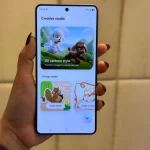
By developing an infrastructure called SPAC in the beta version of One UI 9.5, Samsung plans to implement the cloud-based capabilities of Galaxy AI with a more secure mechanism and enable the use of advanced artificial intelligence without revealing the identity of users.
According to Teknak AI Service, Galaxy’s AI capabilities have had an important limitation so far: users have to send part of their information to Samsung servers for processing in order to access more advanced features. In contrast, capabilities that run directly on the phone keep data on the same device and are less dependent on cloud infrastructure.
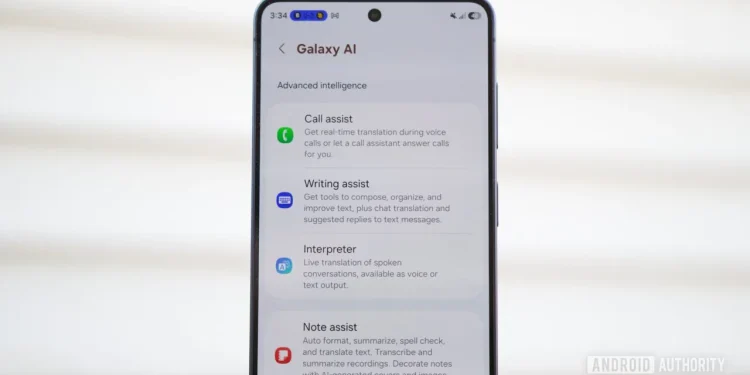
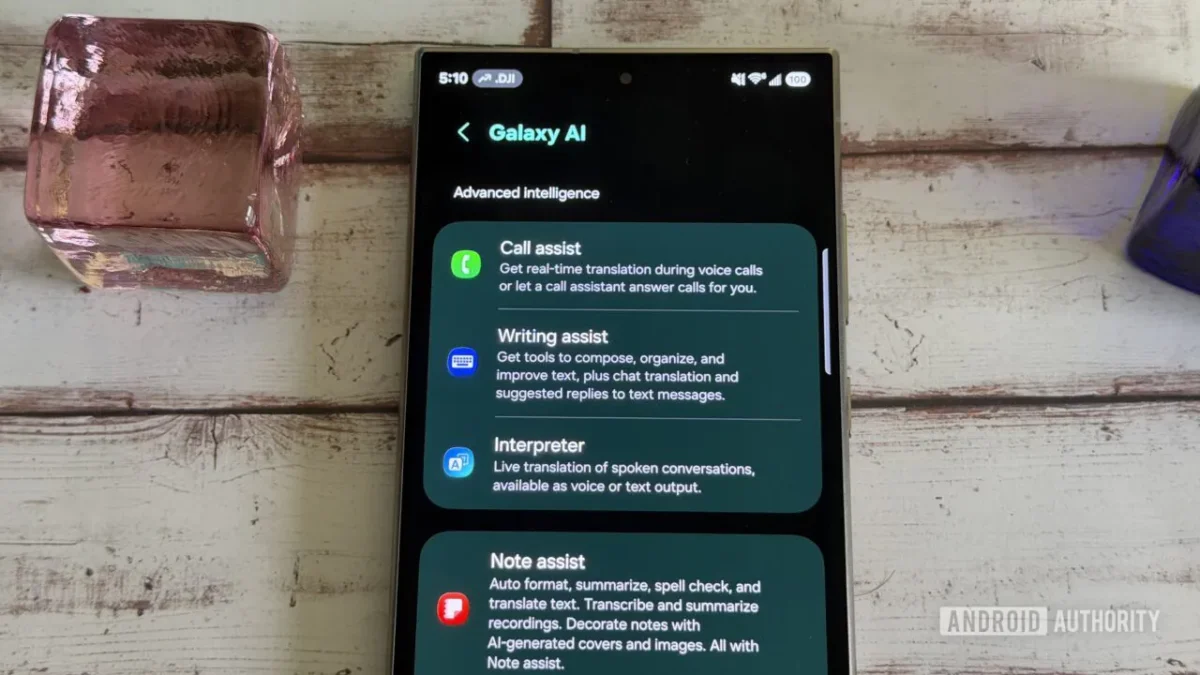
This difference has made users choose between privacy and access to more advanced tools when using Galaxy AI. Features such as Writing Assist to assist with writing, Note Assist to manage notes, and photo-generative editing tools rely on cloud processing. As a result, the information required to implement these features is sent to Samsung servers.
Samsung currently states that user data is not stored after processing. For example, the image editing tool informs users that the photo will be sent to the company’s servers for processing, but Samsung does not maintain it. However, this promise relies more on the company’s privacy policy, and users do not have the ability to directly check how information is processed.
Users who don’t want to rely on this policy can enable the “Data processing only on device” option in the Galaxy AI settings. Of course, activating this option means completely disabling cloud-based features. Now, evidence has been seen in the One UI 9.5 beta that suggests Samsung may be planning to address this limitation with the development of new technology.
SPAC; Samsung’s new infrastructure for AI private processing
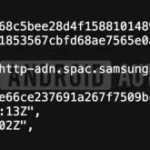
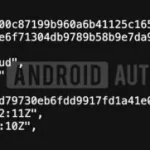
A look at the first beta version of One UI 9.5 on the Galaxy S26 Ultra has revealed the presence of a new software development kit called SPAC. This technology is seen in four Samsung applications including Photo Editor, IntelliVoiceService, Smart Capture and PhotoRemasterService. The important thing is that such codes did not exist in the previous version of Samsung’s user interface, i.e. One UI 9.
Examining the code structure shows that the SPAC probably connects to a server-side communication port named Arcane. This infrastructure sits alongside separate services for token management, identity recognition, and fraudulent activity detection. Such a structure suggests that Samsung may be developing a system that can process AI requests without directly relying on users’ identity information.
It is not yet clear what exactly the name SPAC stands for. One possibility is Samsung Private AI Cloud, but this has not been confirmed and the chosen name may mean something else.
More important than the name of this technology is its security architecture. Much of the detected code is related to the servers’ privacy and authentication mechanisms, rather than focusing on AI processing. This suggests that Samsung is likely trying to implement several security steps before sending requests to its servers.
Four layers of security to protect user information

The uncovered codes show that SPAC likely uses four main mechanisms to protect users’ information.
The first mechanism is to pass requests through a third-party intermediary. In this method, the user’s request is first sent to an intermediary service and then reaches the Samsung server. This process can separate information about the origin of the request, including the user’s identity and IP address, from the content of the request. That way, Samsung might be able to process the request without knowing exactly which user sent it.
The second layer is related to authentication of servers. Before sending the data, the phone apparently checks that the destination server uses genuine, untampered software. This mechanism is very important, because users must be sure that their information is sent to an infrastructure that operates according to established security standards.
The third mechanism is the public registration of server software information. Based on the existing codes, the information about the Samsung server software is recorded in a public and unalterable record. Such an approach prevents the company from replacing the approved version with a different software without users’ knowledge.
The fourth layer is also related to anonymous and one-time use licenses. The phone receives these permissions to verify that the user is genuine and that the device belongs to the Galaxy family, but does not provide information about the exact identity of the device owner.
Of course, SPAC codes also refer to a state called Unattested. In this case, the phone bypasses some security checks. It is not yet clear what this feature is used for, but Samsung is likely to use it for internal tests.
Similarity of SPAC architecture to Apple and Google technology
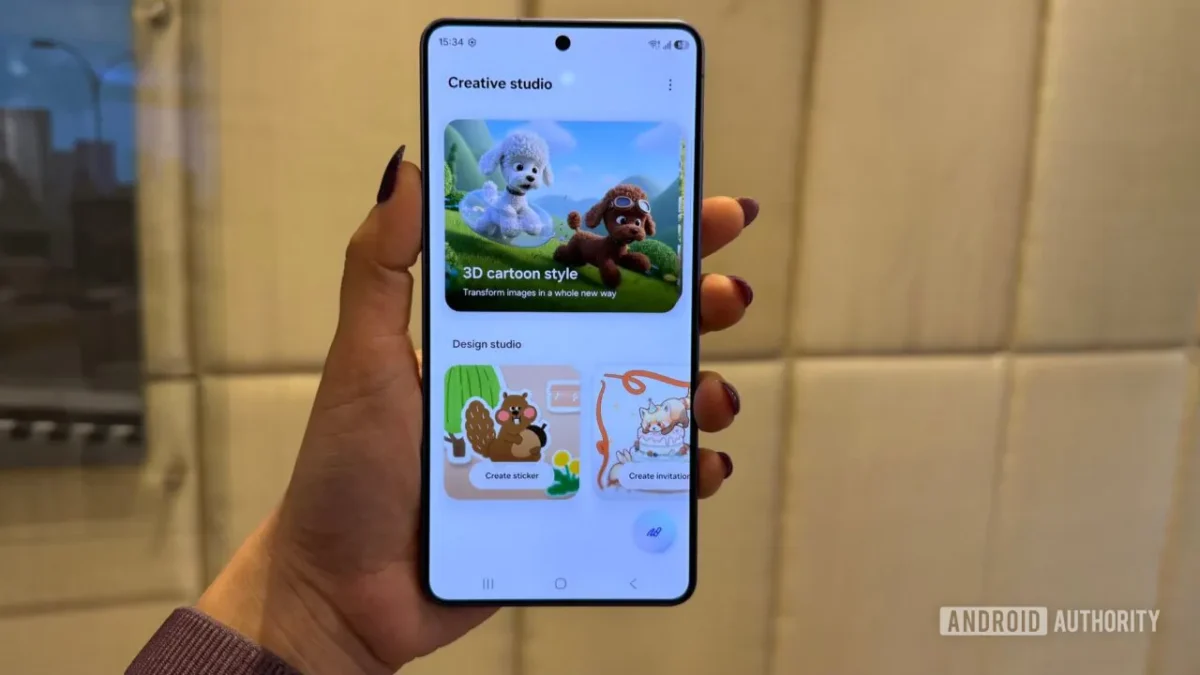
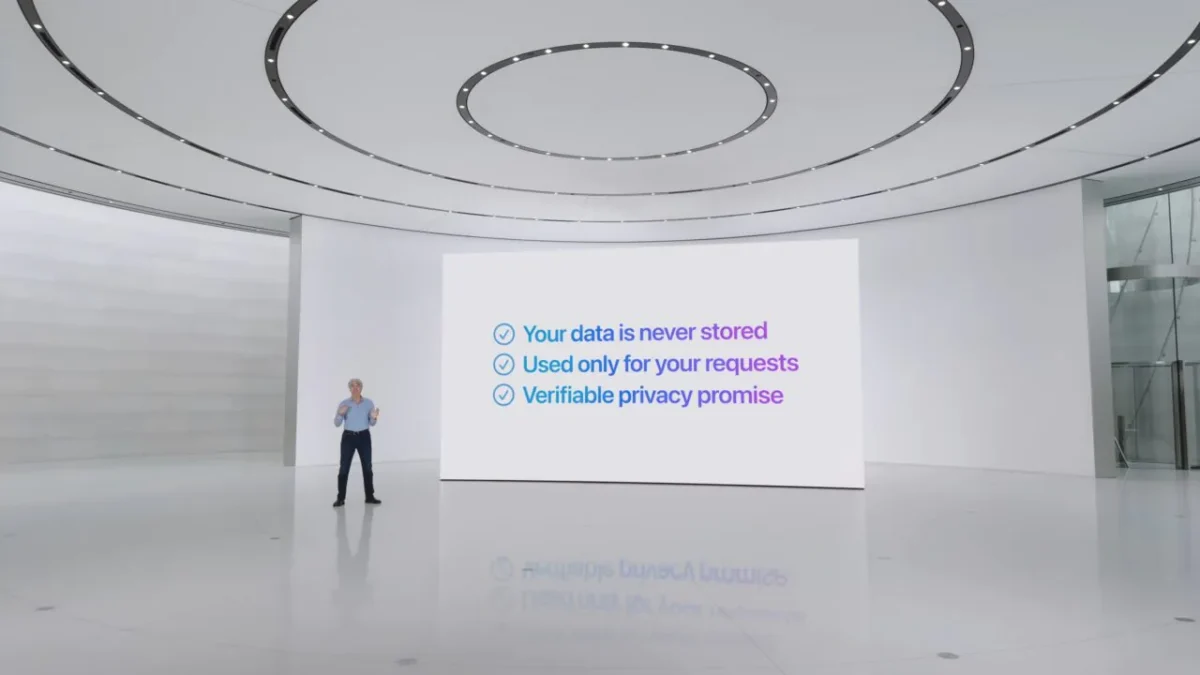
The SPAC structure is very similar to Apple’s Private Cloud Compute technology. In 2024, at the same time as Apple Intelligence, this company introduced a solution for executing complex artificial intelligence requests on cloud servers, which aimed to maintain a high level of privacy.
In Apple’s technology, user requests are submitted without identity information, and one-time authorizations authenticate them. Also, requests go through third-party intermediaries so that users’ IP addresses are not provided to destination servers.
To increase the reliability of this infrastructure, Apple records the software information of its servers in a public record. iPhones also only send information to servers whose software matches the registered version. SPAC codes indicate that Samsung is likely to use most of these mechanisms as well.
Google and Meta have also gone to similar solutions. In November 2025, Google introduced Private AI Compute technology, which uses third-party intermediaries and anonymous permissions to protect users’ identities. Meta has also developed the Private Processing infrastructure for WhatsApp artificial intelligence capabilities.
So instead of designing a completely different architecture, Samsung is apparently using a pattern that has already been used in products from major tech companies. The important difference is that Apple, Google and Meta have made public their technologies, but Samsung has yet to officially confirm the existence of a SPAC and its plans to roll it out.
Different AI models were seen in SPAC codes
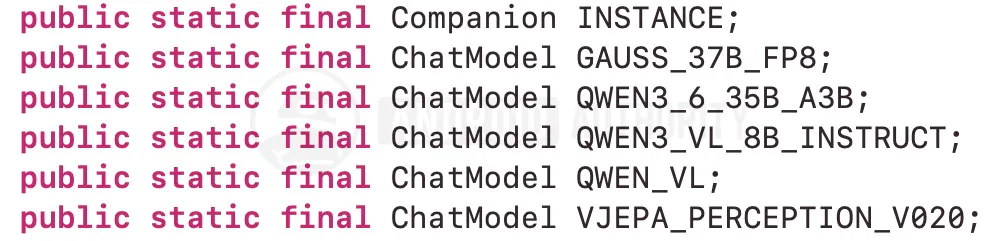
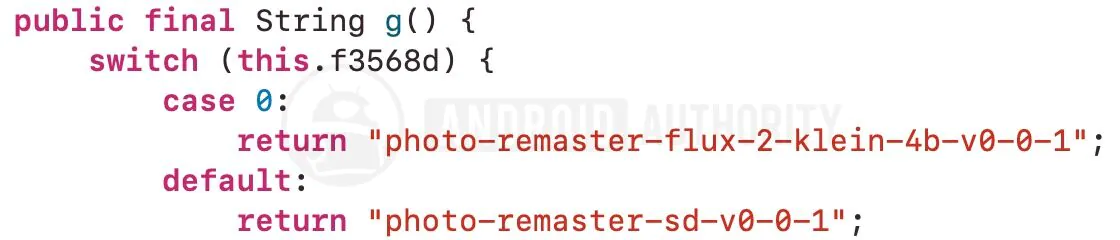
Examining the One UI 9.5 beta code has revealed the names of several artificial intelligence models in addition to the security architecture. These models include Google’s Gemma 4, Alibaba’s Qwen 3.6, and Black Forest Labs’ FLUX.2 klein 4B.
The Smart Capture codes that manage the AI Select feature refer to the Qwen 3.6 and Gemma 4 models. IntelliVoiceService is also called Gemma 4. Meanwhile, the PhotoRemasterService codes point to the FLUX.2 klein 4B and a model from the Stable Diffusion family.
The Photo Editor application also includes the names of the OpenAI text-to-speech models, the Samsung Gauss model, and the Meta V-JEPA model. However, reviews do not support the current use of these models.
This information suggests that Samsung may be planning to use a variety of models to process different tasks for the Galaxy AI. Running these models on the company’s dedicated servers can allow Samsung to provide more advanced features without fully depending on the hardware processing of the phones.
Transferring more Galaxy AI capabilities to the SPAC infrastructure
According to the report Android Authoritythe detected codes show that SPAC may not be limited to image editing and will cover a large part of Galaxy AI’s cloud capabilities in the future.
For example, the AI Select feature can be more advanced in recognizing the content of the display. In the future, this tool will probably be able to extract multiple events from a screenshot and put them all on the user’s calendar at the same time.
Image editing tools are also possible options for using SPAC. A cloud-based smart eraser and the ability to increase the resolution of images, including photos captured with a camera zoom, are seen in related codes.
Live speech translation is another feature that is likely to be transferred to this infrastructure. In Samsung codes, the processing path of this feature is marked as “Private”.
In addition, Galaxy AI’s everyday tasks such as summarizing text, changing the tone of texts, suggesting emojis, writing assistance and the Now Brief feature are also linked to SPAC. The name of a graphical user interface agent called GUI Agent and another feature called Bixby Work can also be seen in the codes.
If Samsung migrates all of these capabilities to the new infrastructure, SPAC could become the main route for implementing a large portion of Galaxy AI’s cloud capabilities.
SPAC is not yet enabled on the Galaxy S26 Ultra
Despite the discovery of SPAC codes in the One UI 9.5 beta, tests conducted on the Galaxy S26 Ultra show that the technology is not yet operationally available.
Smart Capture and Photo Editor features require a newer version of Galaxy AI to use SPAC. The PhotoRemasterService also depends on a newer version of Remaster, which is not available on the tested device.
IntelliVoiceService also uses SPAC only when an application requests private cloud processing mode. However, tests have yet to enable this mode.
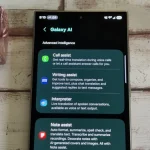
During the review, Writing Assist, AI Select, Note Assist, Now Brief and Interpreter features were tested. None of these tools used SPAC, and their requests were still processed through Galaxy AI’s existing cloud infrastructure or direct processing on the phone.
There is also no message or explanation about SPAC in the demo user interface. Therefore, it is not yet clear how Samsung intends to obtain consent from users to use this technology or inform them of the details of how the information is processed.
On the other hand, it is still not clear what the SPAC is related to the “Data processing only on device” option. The Photo Editor codes check this option, but such a mechanism is not seen in the Smart Capture and IntelliVoiceService codes.
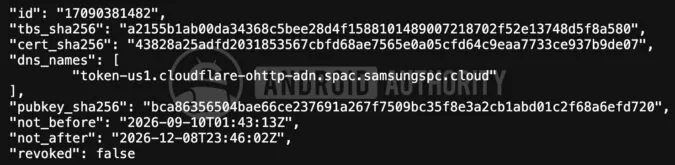
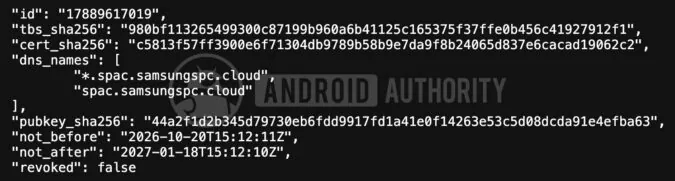
In contrast, evidence suggests that SPAC’s server infrastructure is likely ahead of the software side of phones. Public records of security certificates show that Samsung has renewed certificates for server addresses for this technology in recent months. Newer information also indicates the addition of servers in America.
Will the future of Galaxy AI depend on private cloud computing?
If the SPAC works according to the indications in the One UI 9.5 code, Samsung could change the way user data is processed in the Galaxy AI cloud capabilities. The technology would likely allow the company to run more advanced AI features on its servers without accessing users’ identity information to process each request.
Such a change could close the gap between Galaxy AI and Apple Intelligence and Gemini in terms of privacy protection. The importance of this issue increases when Samsung wants to offer users more powerful models and more complex processes.
The possibility of launching a paid Galaxy AI Premium subscription also increases the importance of this infrastructure. If Samsung charges for access to more advanced AI capabilities in the future, it will likely rely more on cloud models and powerful servers. In such a situation, providing a reliable mechanism to protect users’ information becomes very important.
However, it is not yet possible to confirm the definitive launch of the SPAC or when it will be activated. Current information only suggests the presence of codes related to this technology in the beta version of One UI 9.5, and it is possible that some of the features discovered will never make it to the final version.
Samsung has not yet provided an official explanation about this technology. The company has been contacted to answer questions about the SPAC, and more details will be released once a possible response is received.














گفتگو در مورد این post