




Microsoft co-founder Bill Gates has warned that advances in open-source artificial intelligence models could dramatically increase cyber attacks against critical infrastructure such as banks, hospitals and power grids in the coming years.
According to Teknak Artificial Intelligence Service, Bill Gates believes that new artificial intelligence tools allow attackers to identify software vulnerabilities faster and carry out more sophisticated attacks by removing the monitoring and protection mechanisms of the models. He also warned that patching vulnerable software in critical infrastructure could take up to five years. For this reason, the gap between the development of offensive tools and the ability of organizations to secure their systems can be dangerous.
These statements were made in an interview with the Financial Times. In this conversation, Gates called for the US government to enter into the discussion of the regulation of open-weighted models and emphasized that the decision on the release of these models should not be left only to companies active in the artificial intelligence industry.
Bill Gates’ new warning comes as Microsoft is one of the signatories of an open letter in support of open-weight models. This shows that even among large technology companies, there is disagreement about the degree of freedom to publish artificial intelligence models and their security risks.
Gates sees the ability to program artificial intelligence as a turning point
Gates spoke to the Financial Times’ Future of AI Summit with Madhumita Morjia, the paper’s AI editor. This interview was published on the 4th of November and some of his statements have now attracted the attention of users.
He says that one of his biggest surprises in the development of artificial intelligence has been the increase in the ability of models to program. According to Gates, since late last year, the programming capabilities of models like Claude Code have reached a level that exceeds the capabilities of any human programmer.
Gates considers this development very valuable for software production, but at the same time warns about its security implications. Tools that can generate or modify complex codes are also able to identify security weaknesses in the same software. This capability becomes especially dangerous when it is available to attackers who intend to infiltrate sensitive infrastructure.
Referring to the new models that are expected to be launched by the end of the year and two other big releases in 2027, he said that the positive and negative capacity of this technology cannot be underestimated.
Gates also explained that warnings from AI industry executives, including Sam Altman, Dario Amoudi, Demis Hassabis, and Mustafa Suleiman, may be met with skepticism because these people are doing business in the same industry. He wants to talk about the dangers of this technology from a somewhat more independent position.
It takes five years to modify critical software
One of Gates’ main concerns is the software that critical infrastructure depends on. Banks, hospitals and power grids use a complex set of software systems for their day-to-day operations. Any vulnerability in these systems can have consequences beyond the disruption of a normal service.
Gates believes that a group of attackers equipped with the latest artificial intelligence tools can carry out successful attacks against such infrastructure. He specifically cautions against open-source or open-weighted models where monitoring and security tools can be removed.
In such a situation, the attacker may use the model’s ability to identify software weaknesses without the usual monitoring mechanisms detecting his activity. Gates says that by removing these layers of protection, target organizations may not even notice an attack is taking place.
However, the problem is not just identifying vulnerabilities. Organizations such as banks and hospitals need to modify or replace their old and complex software. This process requires time, financial resources and extensive coordination.
Gates estimates that even if organizations make the reform of these systems the highest priority and proceed with full seriousness, the completion of this process will take about five years. In this distance, attackers can use artificial intelligence tools to identify and exploit existing weaknesses.
He also mentioned the role of cryptocurrencies in increasing the risk of ransomware attacks. The use of cryptocurrencies has made it easier for attackers to get money from victims. By putting these factors together, Gates predicts that cyber attacks will increase significantly in the next few years.
His concern is not limited to cyber attacks. Gates considers biological attacks to be even more dangerous and warns that such attacks may have far more severe consequences than the Covid-19 pandemic. According to him, this type of threat is more difficult to predict because, unlike cybercrimes, there is not necessarily a clear commercial motive behind them.
Gates called for governments to monitor the release of artificial intelligence models
Gates believes that artificial intelligence companies alone cannot decide how to manage the risks of this technology. To explain this, he pointed to past experiences and said that some initial agreements of large companies, when the number of players in the industry was more limited, made it possible to manage issues.
But now the number of companies active in the field of artificial intelligence has increased and the competition between them has also become more intense. According to Gates, in such a situation, the decision-making responsibility should be transferred to the governments.
He has asked the US government to decide whether to release models with open weight. Gates also believes that new and powerful models should pass tests to evaluate regulatory and protection mechanisms before being released.
He reminded that the US does not yet have mandatory security checks for artificial intelligence models. Meanwhile, other countries, such as China, do not show much desire to implement similar restrictions without US action.
Gates does not agree with self-regulation of companies either. According to him, the large number of players and the commercial competition between them means that the monitoring of this technology cannot be left only to the companies themselves.
Even closed models that use protection tools require independent evaluation. Attackers can bypass the limitations of models with methods such as Jailbreak and use their capabilities for malicious purposes.
In another part of the conversation, Gates discussed the impact of artificial intelligence on the labor market. He warned that the technology would drastically reduce the cost of replacing white-collar and administrative labor. Gates had previously warned in August about the permanent elimination of many jobs as a result of the spread of artificial intelligence.
Of course, he does not ignore the positive uses of this technology. According to Gates, the Gates Foundation can advance the drug discovery process about three times faster with the help of artificial intelligence. This example shows that the same technology that can be used for cyber attacks has significant potential for medical advancement and scientific research.
The dispute between Microsoft and other companies over open source artificial intelligence
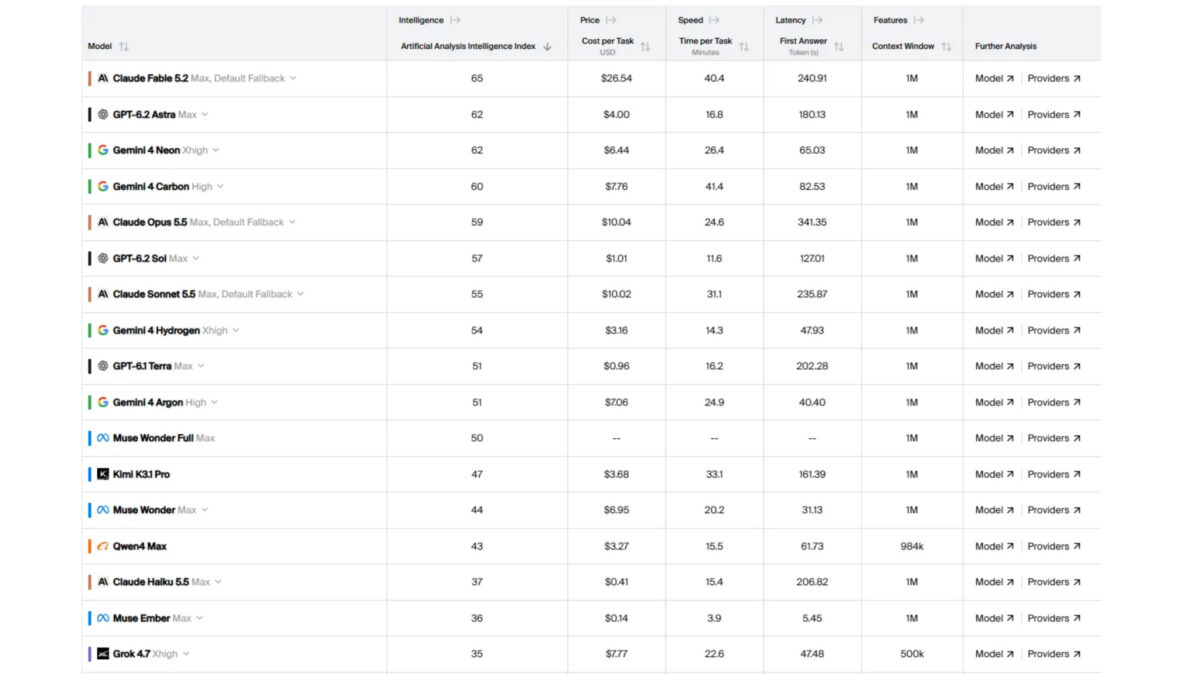
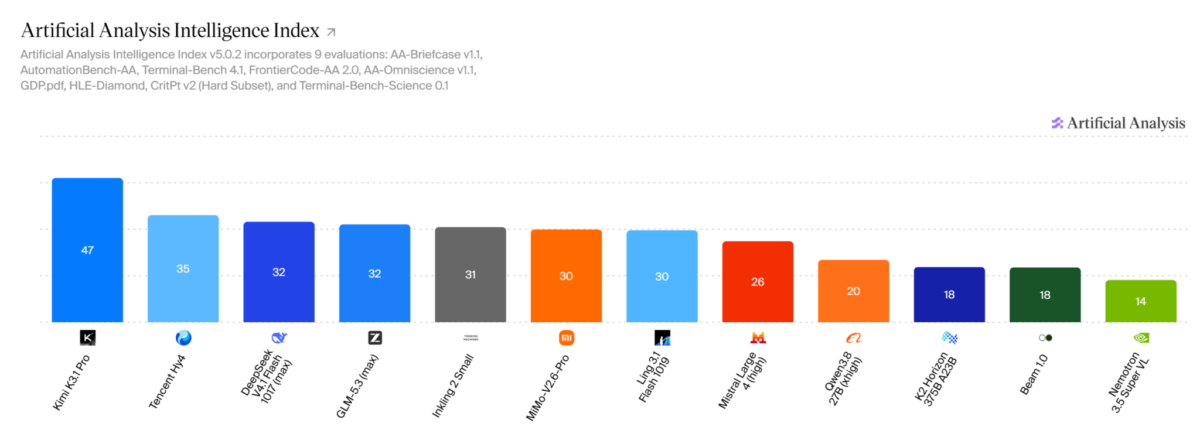
Gates’ warnings about open-weight models come as Microsoft published an open letter in July supporting them. More than 270 companies have signed this letter.
The letter acknowledges that once a model’s weights are published, developers no longer have full control over how they are used. However, the signatories believe that the appropriate response to this risk is not to ban the release of open-weight models. In their view, cybersecurity defenders need tools with similar capabilities to counter attackers.
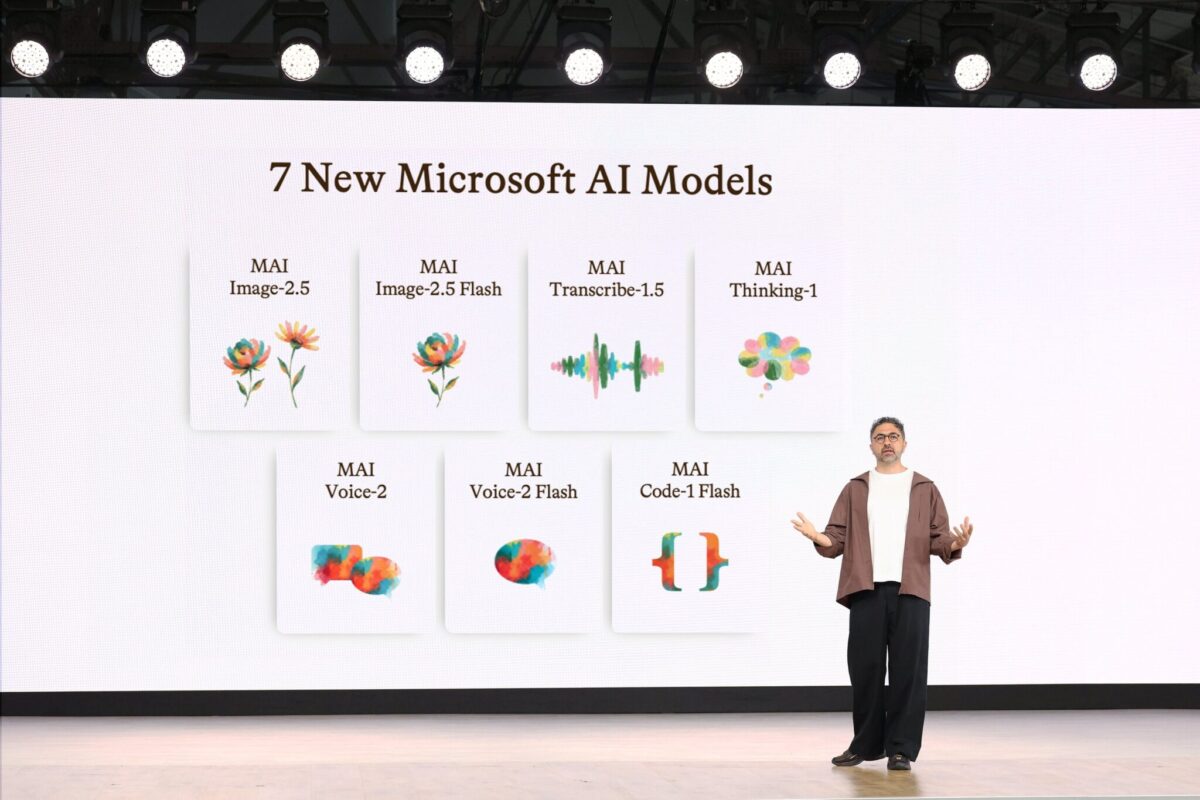
Mustafa Suleiman, CEO of Microsoft’s artificial intelligence division, takes a more cautious approach. He has warned that the implementation of powerful cyber models on private clusters in homes can make the control and containment of this technology a major challenge. Microsoft has also announced that it has no plans to release the open weights of its powerful models.
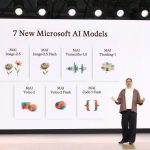
However, the company’s new MAI models come with licensed weights so customers can run them in their Azure environments.
written Windows LiteGates is not the only person to warn about the ability of artificial intelligence models to identify vulnerabilities. In early November, Amazon reported a threat actor who, using an open-source AI-based penetration testing framework, found a zero-day vulnerability in a medical imaging application and exploited it just minutes later.
On the other side of the debate, Mark Zuckerberg defended open-source AI in 2024 as a safer option than closed alternatives. Despite his company’s cautious approach, Anthropic CEO Dario Amudi also said in July that the company had never called for a ban on open-weight models. However, he supports the implementation of mandatory safety tests for powerful models.
The position of OpenAI and the shift from open source to proprietary models
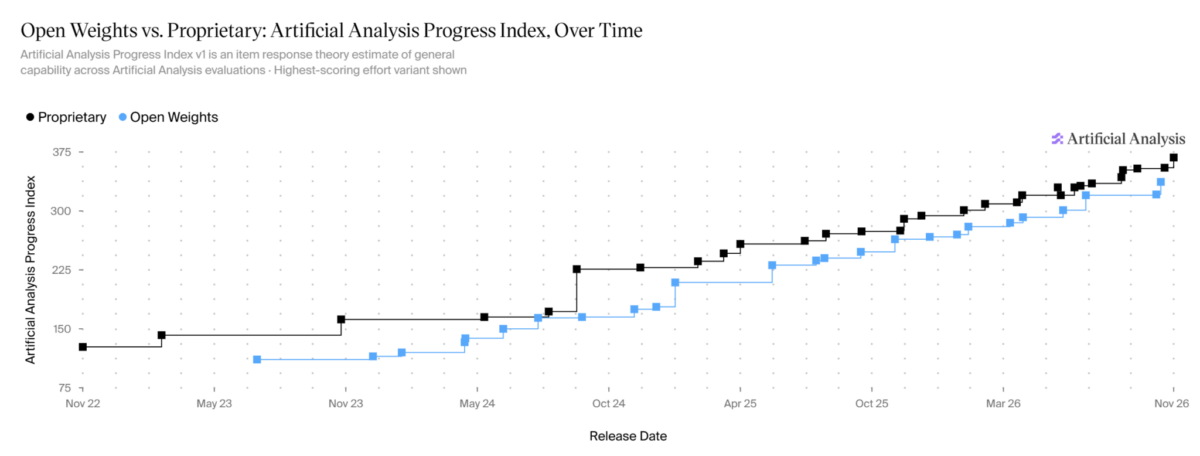
OpenAI CEO Sam Altman admitted in January 2025 during a Q&A session on Reddit that his company was on the wrong side of history when it came to open source. Six months later, OpenAI released gpt-oss models. These models were the company’s first open-weight products after the GPT-2. Microsoft also released the gpt-oss-20b model for Windows 11 computers.
OpenAI was founded in December 2015 as a non-profit organization. Its primary goal was to develop artificial intelligence without the constraints of the need to earn financial returns. Elon Musk, Sam Altman, Greg Brockman and Ilya Sotskever were among the founders of this collection.
Musk left OpenAI’s board in 2018. In 2019, the company created a business structure with limited profits and received $1 billion in capital from Microsoft. Microsoft’s investment in the company has since reached more than $13 billion.
OpenAI became a public company in October 2025, and Microsoft took about 27% of its shares. Musk sued OpenAI, Altman, and Microsoft in 2024, but a jury found his claims too late in May 2026. The judge also dismissed the case, though Musk has said he plans to appeal.
These developments show that the position of large technology companies regarding the free release of artificial intelligence models has changed in recent years. Some companies advocate for wider access, while others emphasize the need to limit the release of powerful models.
Banning open source artificial intelligence or holding companies accountable?
The future of open source artificial intelligence continues to be disputed. Some believe that if AI-based attacks cause widespread damage to people’s property and health, the free release of these models should be stopped. On the other hand, another group considers closed and centralized artificial intelligence more dangerous because its control is given to a limited number of companies.
One of the views raised is that banks, hospitals and power grid operators should use open models to test the security of their systems. They can find and fix vulnerabilities before criminals identify them.
Advocates of open source software typically cite two main advantages to this approach. First, people can access advanced tools that they otherwise would not be able to afford. Second, the existence of free options forces companies to provide better products, because users can use open source alternatives if they are not satisfied with commercial products.
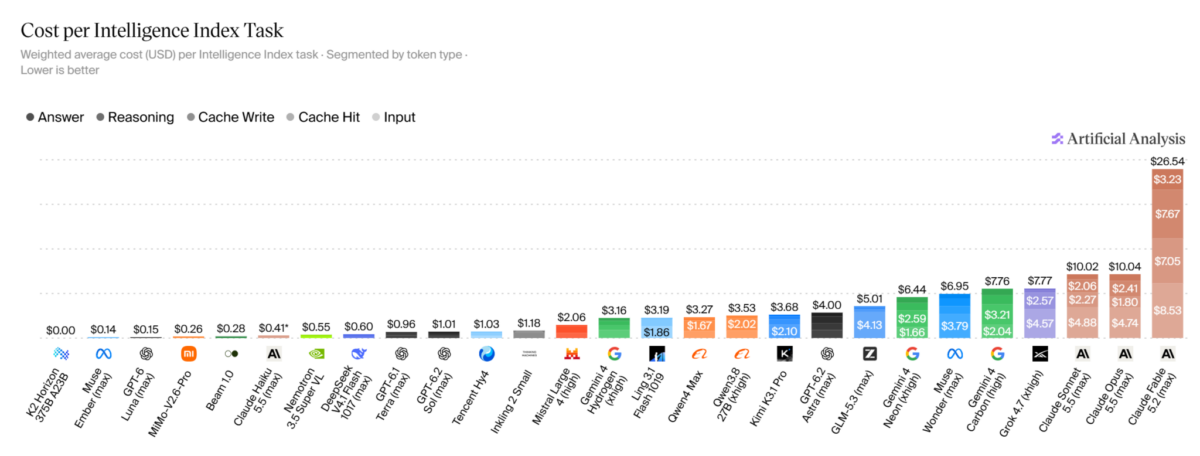
These arguments apply to open source artificial intelligence as well. Many companies active in this industry still do not have enough income to compensate for the heavy costs of developing models. At the same time, the artificial intelligence industry’s massive demand for memory has increased pressure on the hardware market. As a result, users may pay more for the purchase of computers and equipment they need, and then have to pay a subscription to use artificial intelligence services.
Finally, a blanket ban on open-weight models could limit the access of independent developers and regular users to advanced tools and increase the power of large corporations. On the other hand, the unsupervised release of these models also brings significant security risks.
One of the proposed solutions is to hold AI companies accountable for the capabilities they develop and the consequences they may create. Companies have previously boasted of their models’ ability to penetrate protected systems. Now the question is whether governments should pursue monitoring and accountability more seriously before large-scale attacks or wait for major damages to occur.















گفتگو در مورد این post