


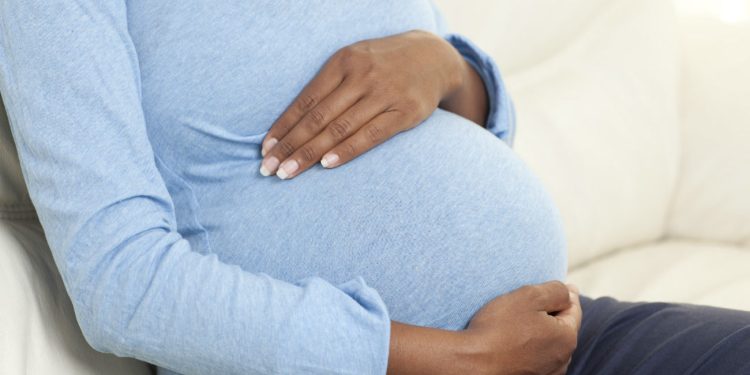
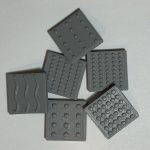


Design student Sena Rao is building Tact; An oral pregnancy test that allows visually impaired people to feel the test result with their tongue instead of seeing it.
Sena Rao, a 27-year-old master of design student at Carnegie Mellon University, credits the idea for the invention in part to an article published in the Wall Street Journal in 2020. In that article, Eleanor Southwood, then president of the Royal National Institute of the Blind, spoke of her desire to make pregnancy tests accessible to blind people.
A few years later, Rao came across a Newsweek article about Joanne Hewitson, a blind woman whose TikTok video went viral in 2024. In this video, Hewitson said that he could never do a pregnancy test on his own. Since most of the available tests show the result visually, he has to ask his sister for help to understand the test result.
Rao says this report made him aware of an issue beyond the difficulty of using a pregnancy test; An issue related to the low presence of blind and partially sighted people in the design of health services and tools. Rao said:
This stuck with me because it wasn’t just a simple problem. Sometimes privacy can be a safety requirement.
According to Rao, if a blind person has no one they trust to help read the test result, or lives in an abusive relationship, the inability to take the test independently can have serious consequences.
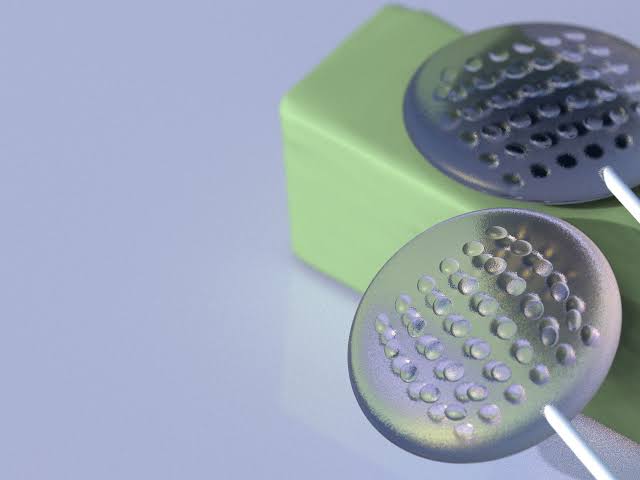
After extensive research, Rao designed Tact; An edible lollipop that can allow blind and partially sighted women to detect pregnancy without the help of others. If there is a pregnancy, there will be bumps on both sides of the smooth surface of the candy. This reaction occurs in response to hCG hormone; A hormone that the body produces during pregnancy.
The problem with current options in the market
Nearly 9 million people in this country live with some form of visual impairment, including blindness, according to new data from the US Census Bureau and the American Community Survey. Among the total visually impaired population, women and girls constitute about 4.8 million people, that is, 54%. This share was obtained while women make up about 50.4% of the total population.
Stephanie Enyart, disability rights activist and senior director of public policy and research at the American Foundation for the Blind said:
Pregnancy tests are difficult for visually impaired people, both because they require visual reading and because the packaging and instructions are often not accessible.
A user must be able to check the product’s expiration date, understand the instructions and perform the test correctly, Enyart explained.
Enyart said:
Most blind women cannot read the test result independently because they have to detect lines or color changes. Even women who have some usable vision may struggle when a faint line appears.
He also emphasized that the result of a pregnancy test is not just a simple medical information and can bring very complicated feelings. Depending on the circumstances of each person’s life, this result may cause joy, fear, worry or excitement.
A short fact: the first home pregnancy test
In 1967, Margaret Crane, a young freelance graphic designer working with an Oregon drug company, designed the first prototype home pregnancy test. This experiment, named Predictor, is now housed in the collections of the National Museum of American History at the Smithsonian Institution.
Visually impaired people can use programs such as Be My Eyes, Sing AI, and Ira to get help in recognizing visual information. However, using such services for a sensitive situation such as a pregnancy test destroys a part of a person’s privacy and independence. These programs usually require a photo or video of the experiment, and then AI or another person interprets the result of the image.
Enyart said:
When we can’t read the result ourselves, we are forced to give up our privacy and let someone else in on a very sensitive moment. There are many reasons why a woman may not want her partner, family member, friend, or even a stranger to know the outcome of her pregnancy.
He added that the pregnant person should decide when and how to share this news with others.
Rao said:
That’s why I wanted to create something that focused so much on privacy and help women take control of the moment.
Rao began work on Tact in January with guidance from Carnegie Mellon University biomedical engineering expert Wayne Chang. Studying a master’s degree in design for interaction, a field that examines the way humans interact with products, technologies, and systems, he studied various methods.
One of Rao’s first ideas was to build a universal reader that could work with standard pregnancy tests on the market. The device reads the test result and presents it in another form, such as a magnified display of the result, voice message or touch output. This method could allow easier use without changing the structure of the test itself.
However, the plan was eventually abandoned because any intermediate technology in the process, be it an app, device or server, could create a data trail.
Rao said:
What really concerned me was privacy. As soon as you take a picture of a pregnancy test and post it somewhere, you’ve created a record. That image is stored somewhere.
He warned that for a person who needs complete confidentiality for reasons related to reproductive health, maintaining such an image is no small matter.
Rao said:
Tact’s main goal is to leave no trace, and a technology-based solution could not have provided such conditions from the beginning.
On the other hand, the technology-based design made the product still a disposable tool and contributed to the increase in e-waste. Rao believes that designers should consider the full life cycle of the product they are creating. In addition to the environmental implications, relying on technology to read a visual result only adds an extra step to the process and does not truly solve the underlying problem.
Chang, Rao’s mentor, encouraged him to think about the intersection of food and medicine. He mentioned products related to espionage and secret operations as examples; Tools that are designed to be destroyed after use, leave no trace and be destroyed. From this path, Rao reached edible samples that could implement the same concept; A device that delivers results and ceases to exist after use.
Rao said:
This change of perspective was very important for me.
From a technological tool to an edible candy
After changing design direction, Rao came up with the idea of an oral device that could detect hCG in saliva.
Rao said:
The idea was that if the result could be felt rather than seen, and if saliva could replace urine as a sample, the whole device could be placed in the mouth, used and eventually eaten.
Human chorionic gonadotropin, or hCG, appears in the body approximately 6 to 10 days after conception. Rao says there is enough research on the possibility of detecting hCG in saliva, and such a method can determine with about 96 percent accuracy whether a person is pregnant or not.
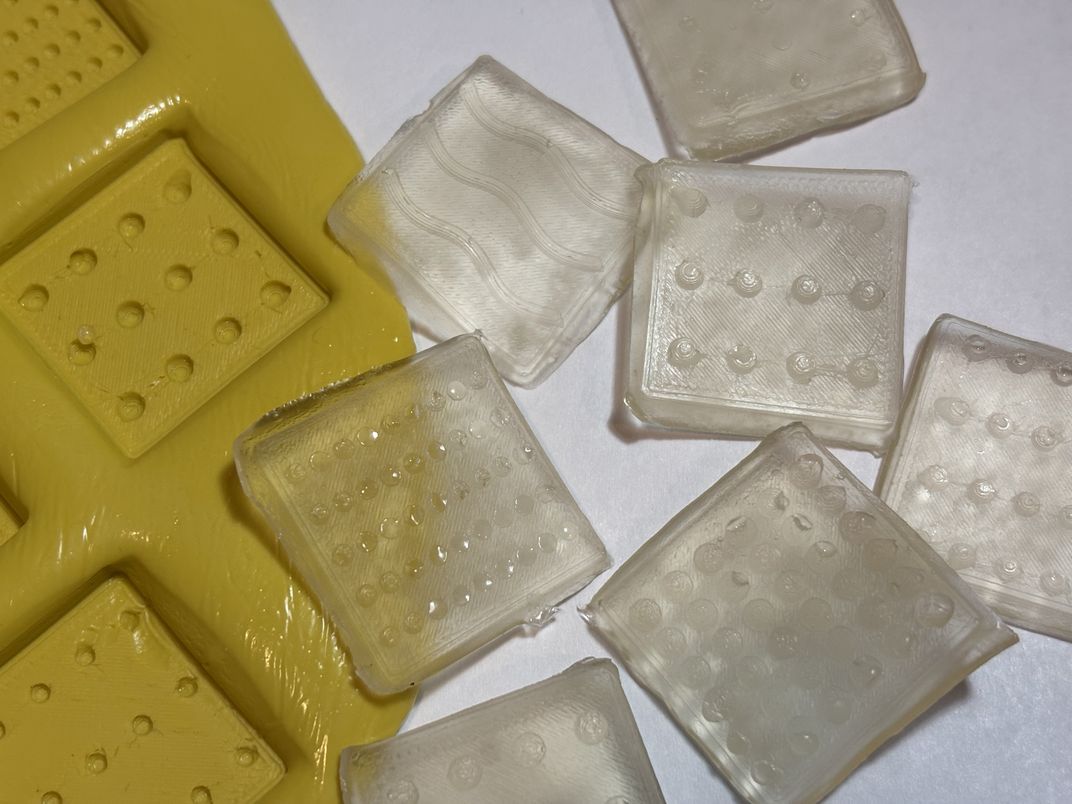
He first examined sublingual food films or tapes; Strips under the tongue that change shape or texture in response to hCG. Another option was hollow structures; Shells with an inner cavity where the reactive substance was placed inside and after HCG was identified, it changed the outer surface. Finally, Rao came up with the lollipop idea.
Rao even considered using taste as an indicator of outcome, but soon abandoned this option.
Rao said:
Taste can create emotional impressions and destroy the neutrality of the result.
She explained that for many people, the sweet taste is usually associated with good news and the bitter taste with bad news, while pregnancy does not mean the same thing to every woman. Therefore, the use of taste could put more psychological pressure on the person and lead him to feel a certain way about the result.
Rather than taste, Rao chose texture as a marker of outcome; An option that seemed more emotionally neutral.
Rao said:
One does not have to interpret the result in a different way; It just needs to recognize a simple positive or negative result.
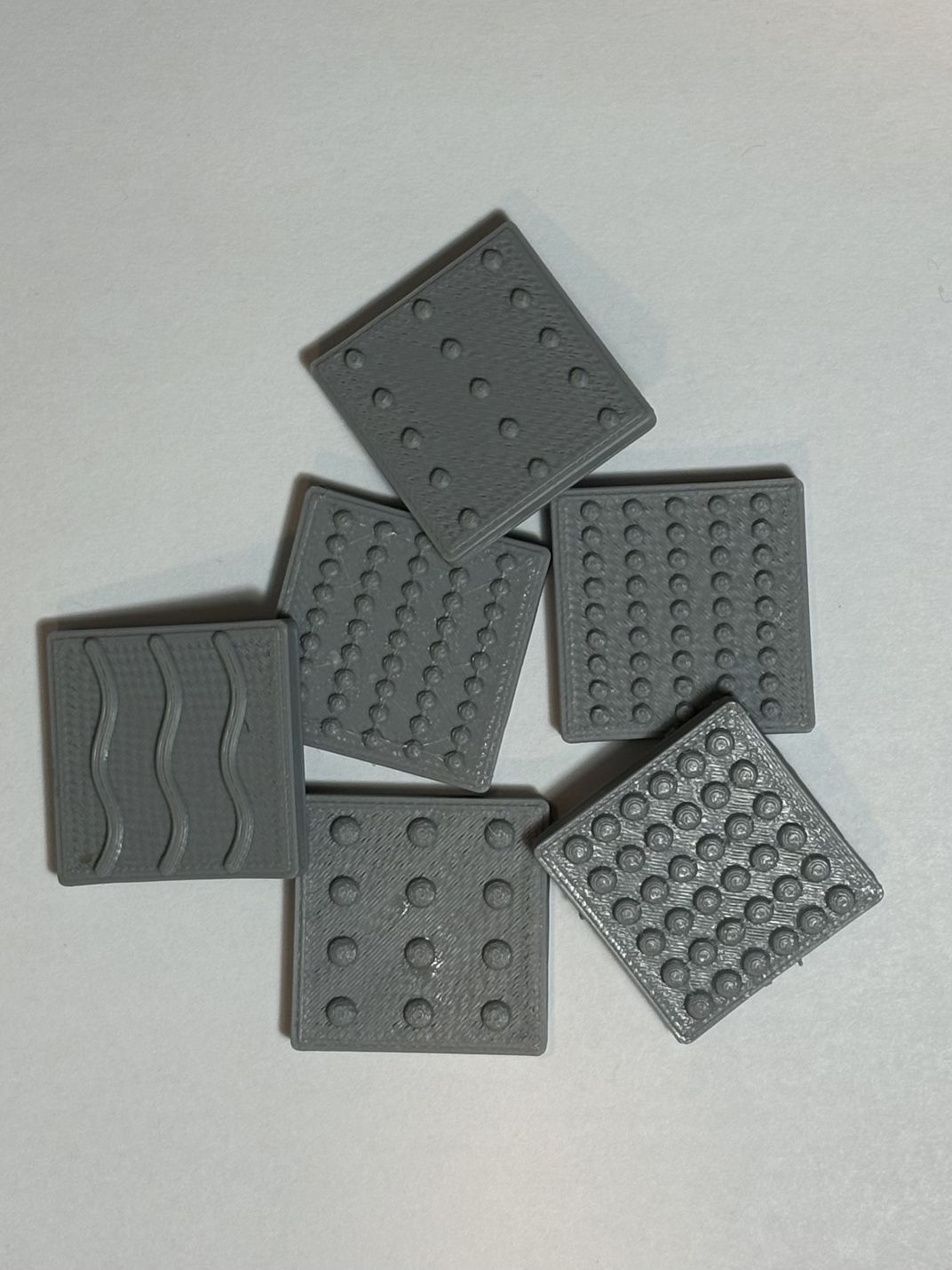
Next, Rao tested different textures for the candy design. He made different patterns and arrangements of ridges with 3D printing to determine which pattern is easier and more recognizable for the tongue.
Rao said:
A lot can happen when it comes to the sense of touch, so I wanted to find a texture that people could easily recognize when they put the candy on their tongue or after the bumps form.
Finally, he developed and tested superior designs with gelatin.
Rao said:
The current idea is to use gelatin, because you will end up consuming the substance itself.
Gelatin seems to be the most suitable material for this project due to its properties and flexibility. By simply changing the concentration of gelatin, it can be changed from a soft, jelly-like substance to a firmer structure or a more rubbery state.
Rao said:
Gelatin has capillarity and liquid absorption properties; This means that it can pass liquid through it without the need for a pump, which was exactly what I needed to make a compact and small test.
Gelatin can also be designed to dissolve, which fits the idea of a device that disappears after use. This material is safe, available and cheap in terms of food.
Although the physical design of Tact is complete, Rao is now working on combining the gelatin matrix with a DNA aptamer that binds to HCG. An aptamer is a short strand of single-stranded DNA that is engineered to detect the presence of the hCG hormone.
In the current design, the user simply places the oval, flat lollipop into the mouth. If hCG is present, the bound aptamer reacts with the hCG and the surface of the candy forms bumps that the tongue can touch.
Rao said:
If both sides of the candy swell, the result is positive, and if only one side swells, the result is negative. If no swelling occurs, the test is invalid.
Rao considers the main goal of Tact to be the possibility of conducting experiments in any place and introduces it as a starting point for further development of this technology. As with any other pregnancy test, the user should consult a doctor or health care provider to confirm the result.
Next steps for Tact
After learning about Tact, Enyart welcomed the idea and considered the effort to make medical tests more accessible to more women a positive step.
Enyart said:
It’s great that people are innovating and trying to make testing more accessible to more women, and this plan definitely looks at it from a different angle.
However, he raised questions about the detection time and the effectiveness of this device. Women usually want to find out about pregnancy as soon as possible, but different hCG detection methods have different timings. Typically, a blood test can provide results about 7 to 10 days after conception, and a urine test will usually be able to provide results about 12 to 14 days later.
Enyart asked whether the saliva test could provide reliable and consistent results in the same time frame as home urine tests.
He also mentioned that prototypes of tactile pregnancy tests have already made headlines. For example, the Royal National Institute of the Blind introduced a prototype urine test that displayed the result via silicone bumps, but as far as Enyart knows, such a product never made it to market.
During the Covid-19 pandemic, the US National Institutes of Health supported a project to produce accessible diagnostic tests for visually impaired people through the Radex Tech program. However, Enyart points out that compliance with accessibility guidelines is not mandatory, and this is the reason why many proposed solutions do not reach the market.
Enyart said:
Manufacturers may consider adding braille to the box or changing the design of the test device itself, but when there is no requirement to do so, they may forgo making accessible changes due to increased cost or manufacturing complexity.
Rao also knows that getting industry support for such a product won’t be easy, but he still believes Tact has promising features. Visual pregnancy tests have earned consumer trust for decades, while an oral test must build that same level of trust from scratch.
Rao said:
An oral diagnostic tool simultaneously straddles the border between food safety regulations and medical device regulations. This unusual combination makes its institutional and legal path slower and more complicated.
Rao’s next steps will include conducting clinical trials and preparing legal and regulatory preparations for Tact. His ultimate goal is to license the technology or partner with a manufacturer active in the field of diagnostic equipment so that Tact can transform from an academic prototype to a real, usable option.











گفتگو در مورد این post