




The start of the war in a short period of time changed the pattern of users using Super Snap services. Commuting within the city decreased, the demand for going out of the cities increased, and in the shopping section, users’ attention went more towards essential goods. Meanwhile, user choices in areas such as insurance, travel and health services have also undergone a change. Snap Group’s data shows that critical conditions have been able to change some of the daily consumption habits of users in a short period of time.


Along with these changes, Snap Group also implemented a series of support and operational measures to maintain users’ access to services and support affected individuals and businesses. These actions have continued from creating alternative solutions during infrastructure disruption to financial support for users and implementation of social responsibility plans.
SNAP’s support for women heads of affected households in Hormozgan
One of the latest measures of social responsibility of SNAP Group is cooperation with “Nafs Aftab” Institute to provide and restore the houses of female heads of households who were damaged during the war in Hormozgan province.
After examining the situation of more than 100 families, 20 houses in the cities of Bandar Abbas, Bandar Khamer, Minab, Sirik, Jask, Bandar Lange and Rodan were selected for construction or renovation. Snap Group has allocated 3 billion Tomans for the implementation of this project.
This action is a continuation of the programs that SNAP followed with the aim of responding to the social needs created during the war. “This Way Gets to Home” project, focusing on supporting the economic and social empowerment of women and vulnerable groups, aims to provide suitable housing as one of the basic needs of these families.
Reduction of urban trips and increase in demand for leaving cities
One of the first visible changes after the start of the war was the reduction of daily commuting in the cities. The number of trips within the city of Snap Khodro decreased between 35 and 60 percent compared to the week before the start of the war.
At the same time, some of the driver users stopped their activity due to leaving their residence or security concerns. As a result, the number of active driver users also decreased between 25 and 50 percent in the first week of the war.
In intercity trips, however, the conditions were different. The demand for this type of travel increased by 164% in the first week of the war; A topic that showed the increase in the desire of users to leave the cities. However, the decrease in the number of active drivers caused the number of intercity trips to decrease by 23%.
Mazandaran, Tehran, Isfahan, Gilan, Qom and Khuzestan were among the most frequent destinations for intercity trips. This change was a clear example of rapid change of users’ needs in critical situations; In such a way that the usual urban commuting gave way to the demand to leave the cities.
Allocation of nearly 50 billion Tomans to support Snap Khodro users
At the same time as the travel conditions changed, Snap Khodro dedicated part of its actions to support users who were injured during the war.
In total, 37 driver and passenger users who suffered personal or financial injuries during the trips, received a total of 3 billion and 515 million Tomans in compensation.
In order to support the livelihood of driver users who were injured during the war or who worked in cities affected by war conditions, the interest-free loan facility was also considered. These loans were offered in the amounts of 25 and 40 million tomans and a total of 1,509 driver users used it. The total amount of credit allocated to this project was 44 billion and 700 million tomans.
In addition to financial support, for this group of users, up to 2 million and 500 thousand tomans discount was also considered for Snap Doctor psychological counseling services, and special incentive programs for driver users continued.
Snap Khodro also implemented the “Kindness Flows” initiative to facilitate the movement of blood donors. In this project, a nationwide discount code was provided for travel to 32 blood donation centers introduced by the Blood Transfusion Organization.
How did the internet and GPS disruption affect Snap services?
Part of the challenges during the war was related to the disruption of infrastructure such as the Internet, SMS and positioning systems. In addition to changing the user experience, these disruptions also forced businesses to create alternative solutions to continue their activities.
To deal with positioning problems, Snapcar developed an alternative system and improved the “fix location” and “stay in range” capabilities. Also, fines related to the delay and cancellation of trips that were affected by infrastructure disruptions were suspended.
During the disruption in sending SMS, it was possible to enter driver and passenger users through USSD. Along with that, infrastructure such as in-app calling, chat and secure calling have been strengthened.
Snap Pro subscription was automatically renewed for two weeks so that users can continue to use the benefits of their subscription in the event of disruption.
This experience showed that during the crisis period, consumer behavior is not only affected by individual decisions, and the disruption in communication and technical infrastructure can also quickly change the way users use digital services.
Snapbox requests decreased by 37%
The decrease in urban commuting and the decline in the activity of some businesses also affected Snapbox package delivery services. The requests of this service during the war were about 37% lower than the forecasts.
In order to maintain the activity of its fleet, Snapbox implemented the “motorcycle user appreciation” plan and also considered financial support for some contracted businesses.
The decrease in the demand for sending parcels, along with the decrease in the activity of some businesses, was another sign of the decrease in daily economic activities during the crisis period.
Snap food transactions dropped by 60%
Snap Food also faced a significant decrease in activity during the war. The amount of transactions of this service decreased between 40 and 60%, and security concerns and reduced activity of some stores and shipping fleet were the factors affecting this drop.
In order to continue serving, Snapfood has improved its fleet positioning system for GPS outage conditions. Also, delivery network fees were increased, without any additional cost to customers.
Some of the marketing costs of the stores were also reduced to allow the business activities in this sector to continue.
Reducing the purchase of unnecessary goods in Snap Pay
The change in consumer preferences of users was also seen in Snap’s financial services. During the war, the purchase of four installments of clothing decreased by 42%, beauty and health products by 44%, and digital goods by 54%.
These statistics show that the increase in uncertainty and uncertain economic and social conditions caused users to be more cautious in purchasing installments and reduce the purchase of some unnecessary product groups.
Changing the priority of Snap Insurance users from car appearance to risk management
The behavior of Snap Insurance users also changed during this period. In times of crisis, users’ attention to coverages that cover more serious damages and risks increased.
Covers such as natural disasters, transportation, glass breakage, theft of parts, and chemicals were given more attention. On the other hand, the demand for coverages such as “market price drop and depreciation” and items related to the appearance of the car such as “scratches” decreased.
Also, the use of “war damage” coverage in body insurance tripled during this period. This change shows that the priority of users has moved from issues related to the appearance and well-being of the car to the management of more serious risks.
Increasing demand for basic goods on Snap Market
On the first day of the war, the number of Snapchat orders dropped by more than 60%. The order registration time was also changed and contrary to the usual conditions, the peak of orders was moved from early morning and late night to the middle of the day.
The number of active stores decreased by 25% on the first day, but the service capacity returned to 95% by the end of the second week.
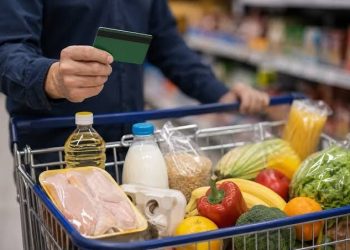
In addition to the decrease in the number of orders, the composition of users’ shopping carts also changed significantly. Demand for basic goods such as rice, bread, meat and groceries increased and purchases of products such as fruits, vegetables, snacks, beverages and detergents decreased.
The highest order of mineral water, dry food and canned products was registered on the day before the ceasefire. The average value of each order also increased by 20%, which, in addition to the impact of inflation, also reflected the increase in the share of basic goods and more expensive items in the shopping basket.
In the first week of the crisis, more than 30,000 orders were canceled due to various disruptions. Bank closures and infrastructure problems made it difficult to return the money; However, refunds for canceled orders were done manually in less than a week in collaboration with the finance, support and security teams.
Snap Market also offered discounts on some essential items such as meat, poultry and groceries. The continuation of this service, along with the supply of essential goods, helped to maintain part of the flow of online sales and the liquidity of the contracted stores.
Changing the travel route of users; The drop in hotel reservations and the growth of trains and accommodation
The travel market was also affected by the change in user behavior during the war. With the suspension of domestic and international flights from and to Iran and the cancellation of tours, domestic hotel reservations on SnapTrip decreased by 70% compared to the same period last year, and the cancellation rate of hotel reservations reached six times.
On the other hand, the reservation of villas and residences increased by 35% and the sale of train tickets increased by 2.5 times. Users’ calls to SnapTrip support doubled in the first two weeks of the war.
This statistic shows that the need of users to travel had not completely disappeared, but the way of satisfying this need had changed. Some users chose train, villa and accommodation instead of flight and hotel.
SnapTrip also increased the capacity of its villas and residences by 40%, and some alternative travel routes, including international flights such as One route to Istanbul, were made available to users.
The cost of the canceled trips for which the money was with SnapTrip was fully reimbursed, and the follow-up of other passengers’ claims from the suppliers was also continued. The possibility of paying installments for hotels, villas and residences was also maintained during this period.
Snap Shop increased the supply of essential goods
In the early days of the war, Snap Shop also faced a drop of more than 60% in daily orders. In response to the changing needs of users, more than 500 items of essential goods were identified and supplied.
At the same time, the number of cities covered by express delivery increased from five cities to 17 cities to make it easier for users to access the goods they need in the new conditions.
The change in Snap Shop’s performance, like other Snap Group services, indicated a decrease in public demand and an increase in the importance of essential goods during the crisis period.
Growing demand for medical and nursing services at home
The war conditions made it more difficult for some people to access medical services, and the psychological pressures caused by the war also increased the need to receive psychological services. During this period, Snap Doctor tried to maintain users’ access to doctors and psychologists by increasing the capacity of providing services.
The number of active SnapDoctor doctors and psychologists increased by 4% compared to before the war, and 120 new specialists were added to the platform.
The demand for online counseling also grew significantly, and on March 24, the highest number of requests for online counseling was recorded in SnapDoctor.
Medical and nursing services at home also faced a 24% growth in demand compared to two months before the start of the war. These services provided the possibility of receiving medical and nursing care without the need to visit medical centers in person.
On the other hand, online ordering of medicine and pharmacy products decreased by 32% during the same period. The difference between these two trends can indicate a change in the way of receiving health services in war conditions and an increase in the desire to use non-attendance medical and psychological services.
What picture of Snap users’ behavior in war provides a picture of consumption in crisis?
The data of various Snap Group services shows that the war crisis has not changed the behavior of users in all areas in the same way, but some common trends can be seen in many services.
Reducing unnecessary activities, increasing attention to immediate needs, greater sensitivity to risk and changing consumption paths are among the most important patterns seen in Snap data. Reduction of installment purchases of unnecessary goods, increase in demand for basic goods, growth of intercity travel, change in the choice of insurance coverage and increase in the use of medical services at home are examples of this change.
On the other hand, infrastructural limitations such as internet disruption, GPS, SMS and banking network also forced digital companies to adapt their service delivery methods to new conditions in addition to changing consumer behavior.
At the same time as managing these changes, Snap Group has followed a series of supporting measures; From financial support and services to the affected users to helping the businesses of the contracting party and implementing social responsibility projects such as supplying and renovating the houses of the affected women heads of households in Hormozgan.
The sum of these changes shows that the war has not only affected the amount of use of online services, but in a short period of time, it has also changed the consumption preferences, the way of traveling, the purchasing pattern and the way of receiving health services of the users; A change that the data of various Snap services provide a relatively clear picture of.










گفتگو در مورد این post